
Mastering Balloon Art Techniques for Unforgettable Events
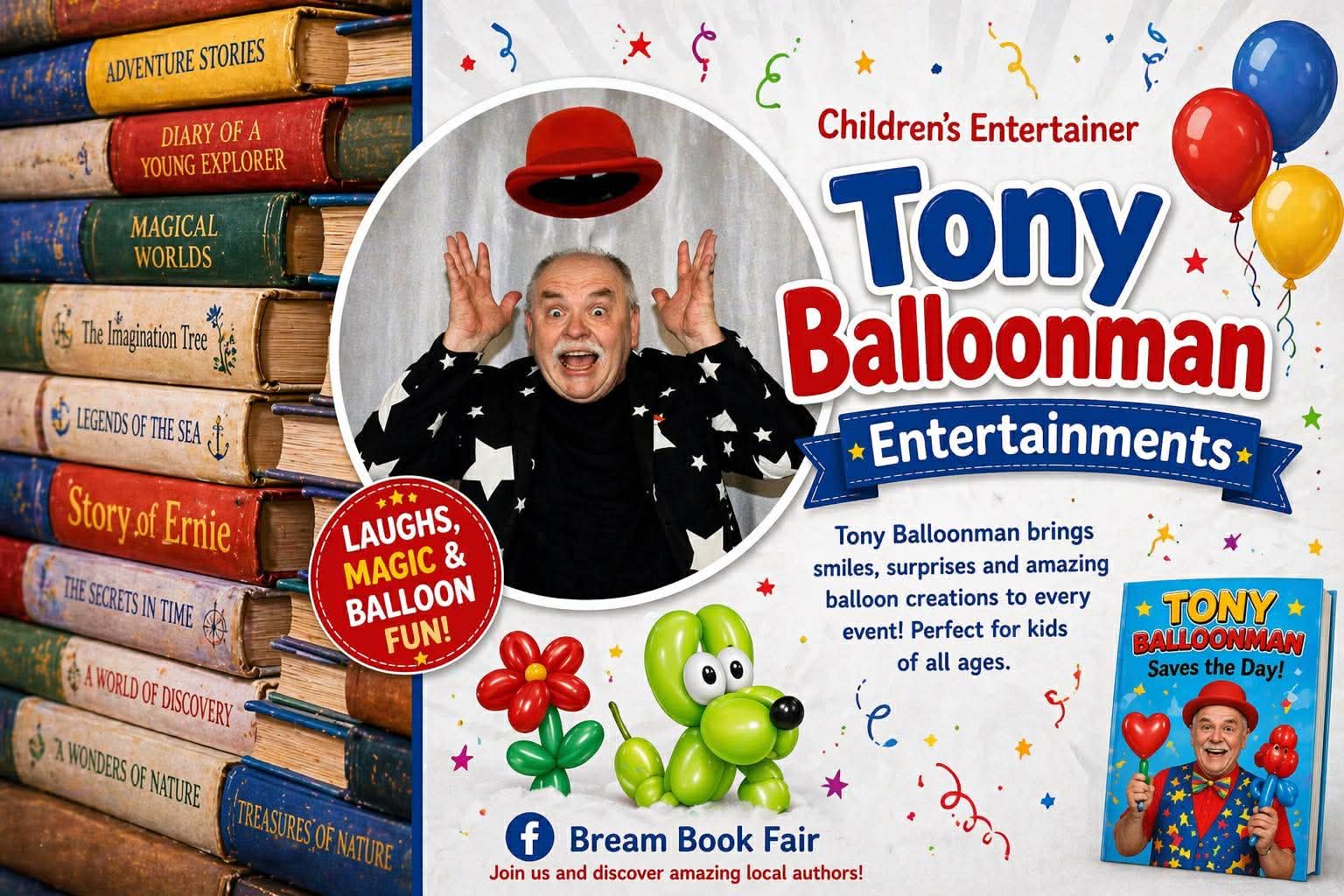
Creating memorable moments at birthday parties, weddings, corporate team building, and community events requires a unique blend of creativity and skill. One of the most delightful ways to engage guests of all ages is through balloon art. As someone who provides comedy magic, balloon twisting, and puppet shows, I have found that mastering balloon art techniques elevates the entertainment experience and leaves lasting impressions.
Whether you are an event planner, party host, or a support worker looking to add a spark to your gatherings, understanding the fundamentals of balloon art can be a game-changer. In this post, I will share practical insights and step-by-step guidance to help you master balloon art techniques and bring joy to your events.
Exploring Essential Balloon Art Techniques
Balloon art is more than just twisting balloons into shapes. It is a craft that combines precision, creativity, and a bit of showmanship. To start, you need to be familiar with the basic balloon types and tools:
Balloons: The most common are 260Q balloons, which are long and flexible, perfect for twisting.
Pump: A hand pump is essential to inflate balloons safely and efficiently.
Markers: For adding details like eyes or patterns.
Once you have your materials, the next step is to learn the foundational twists:
Basic Twist: The simplest twist that forms the building block for all shapes.
Lock Twist: Secures two or more twists together.
Fold Twist: Creates loops or petals.
Ear Twist: Used for making ears or wings.
Mastering these techniques allows you to create a wide variety of figures, from simple swords to complex animals and hats. Practice is key, and starting with simple designs builds confidence and skill.

How to do a balloon twist?
Understanding how to do a balloon twist is fundamental to balloon art. Here’s a simple guide to get you started:
Inflate the Balloon: Leave about 5 inches uninflated at the end to allow for air movement during twisting.
Pinch and Twist: Hold the balloon firmly near the knot. Pinch a small section and twist it around 3-4 times.
Lock the Twist: To secure your twist, fold the balloon and twist the sections together.
Shape Your Design: Use combinations of twists to form ears, legs, or petals depending on your intended figure.
For example, to make a basic balloon dog:
Inflate the balloon leaving a 5-inch tail.
Make a small twist for the nose.
Create two small twists for the ears and lock them together.
Twist the body and legs by making two longer sections and locking them.
With practice, these steps become second nature, allowing you to focus on entertaining your audience with flair.
Adding Personality with Balloon Art Techniques
Once you have the basics down, it’s time to add personality to your creations. This is where your entertainment skills come into play. Use markers to draw eyes, noses, or patterns on your balloon figures. Combine balloon art with comedy magic or puppet shows to create a multi-sensory experience.
For weddings, consider making elegant balloon bouquets or heart-shaped designs. For corporate events, create branded balloon sculptures or team mascots. The key is to tailor your balloon art to the occasion and audience.
Here are some tips to enhance your balloon art:
Use Colour Wisely: Choose colours that match the event theme.
Incorporate Props: Add hats, glasses, or small accessories to your balloon figures.
Engage Your Audience: Invite guests to help with simple twists or decorate their balloons.

Practical Tips for Balloon Art Success
Balloon twisting is fun but requires some practical know-how to avoid common pitfalls:
Avoid Overinflating: Balloons pop easily if inflated too much.
Keep Balloons Cool: Heat can cause balloons to expand and burst.
Practice Safety: Be mindful of latex allergies and dispose of popped balloons properly.
Prepare Backup Balloons: Always have extras on hand for quick replacements.
Additionally, maintaining a calm and cheerful attitude helps keep your audience engaged. Remember, balloon art is as much about the performance as it is about the craft.
Bringing Balloon Art to Your Events
Incorporating balloon art into your events can transform the atmosphere and create joyful memories. Whether it’s a birthday party, wedding, or a corporate team-building day, balloon art adds a unique touch that guests remember.
If you want to deepen your skills, consider exploring balloon twisting techniques that offer advanced methods and creative ideas. These resources can help you expand your repertoire and deliver even more impressive performances.
By combining balloon art with comedy magic and puppet shows, you create a versatile entertainment package that appeals to all ages and settings. This approach not only entertains but also fosters connection and mindfulness, especially when working with children or vulnerable groups.
Mastering balloon art techniques is a rewarding journey that enhances your ability to create smiles and laughter. With dedication and creativity, you can turn simple balloons into spectacular works of art that brighten any occasion.


Comments